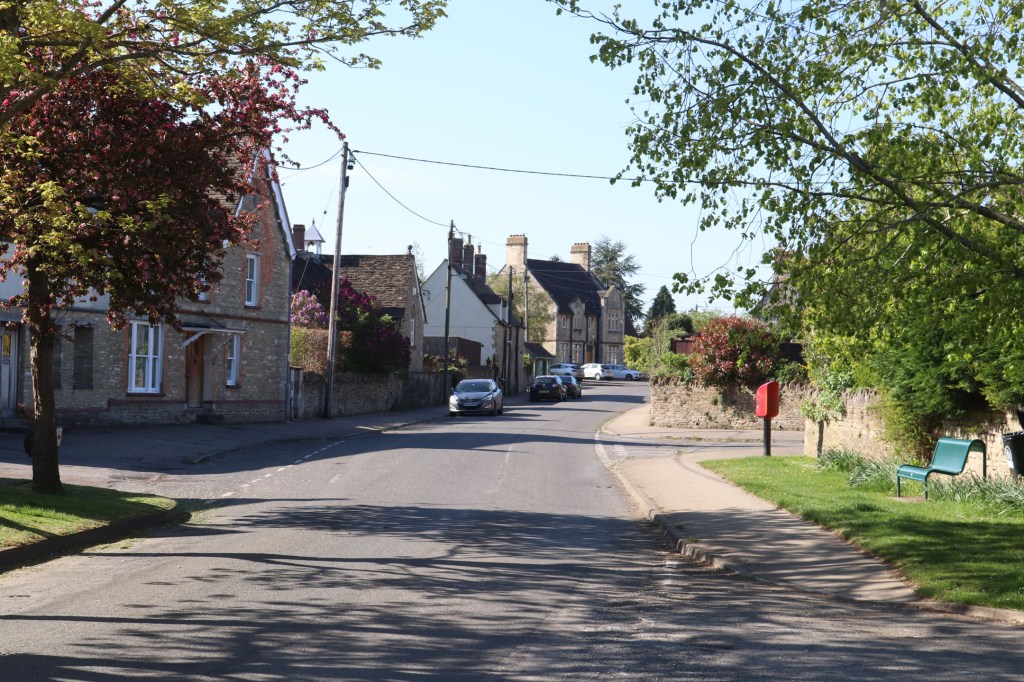
Welcome to the Hullavington Village Website
This website has been created by the community, for the community — to support the people of Hullavington and the surrounding areas. Our aim is to provide a central hub where residents and visitors alike can discover everything that makes our village special: from local groups and events to services and stories that reflect the spirit of Hullavington.
Over the coming months, we’ll be adding more content and features to ensure this becomes the go-to place for up-to-date information about what’s happening in and around the village.
Hullavington a History
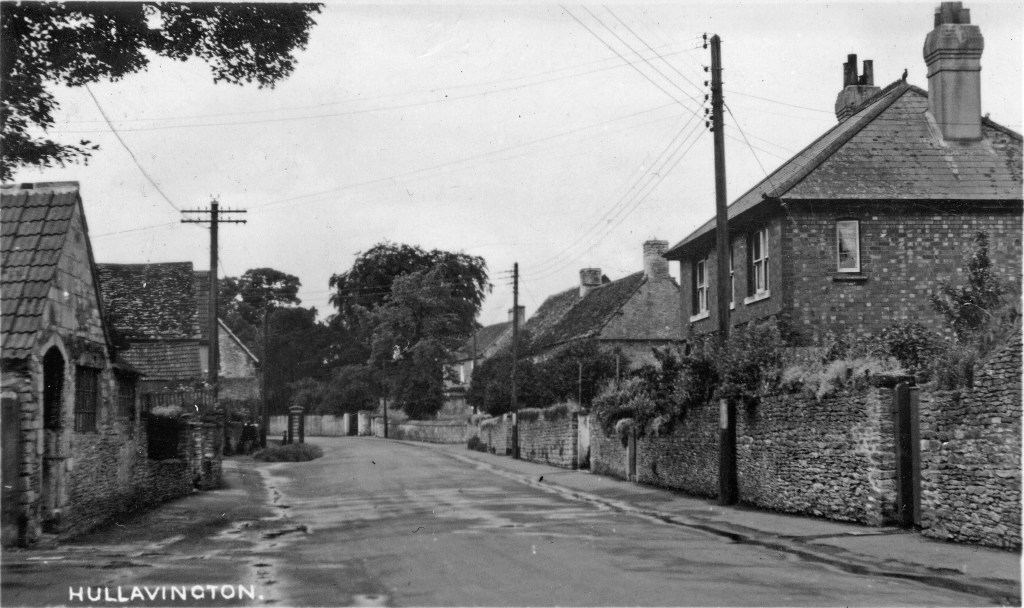
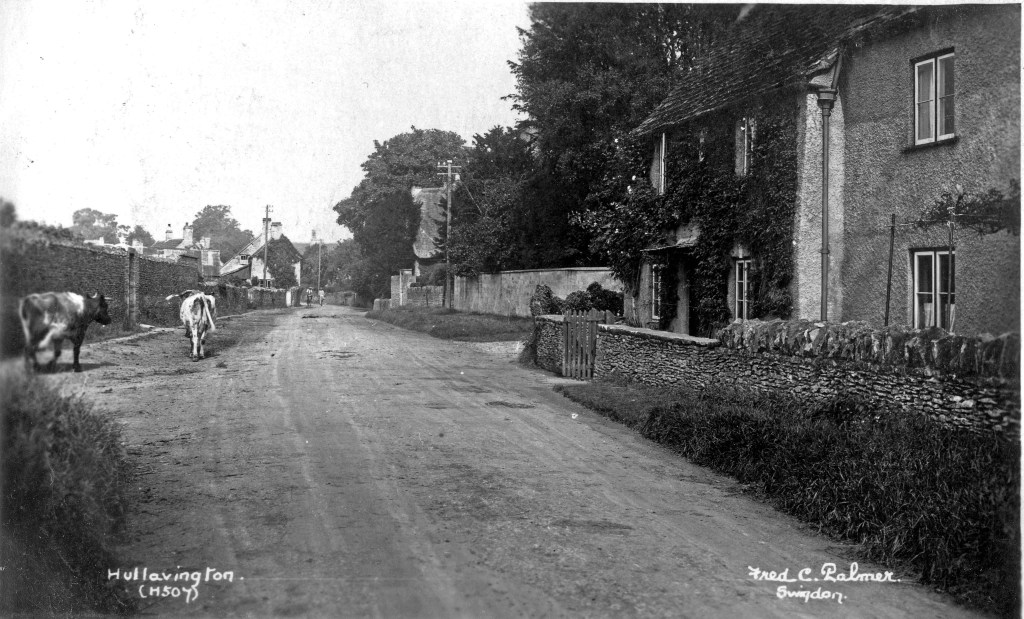
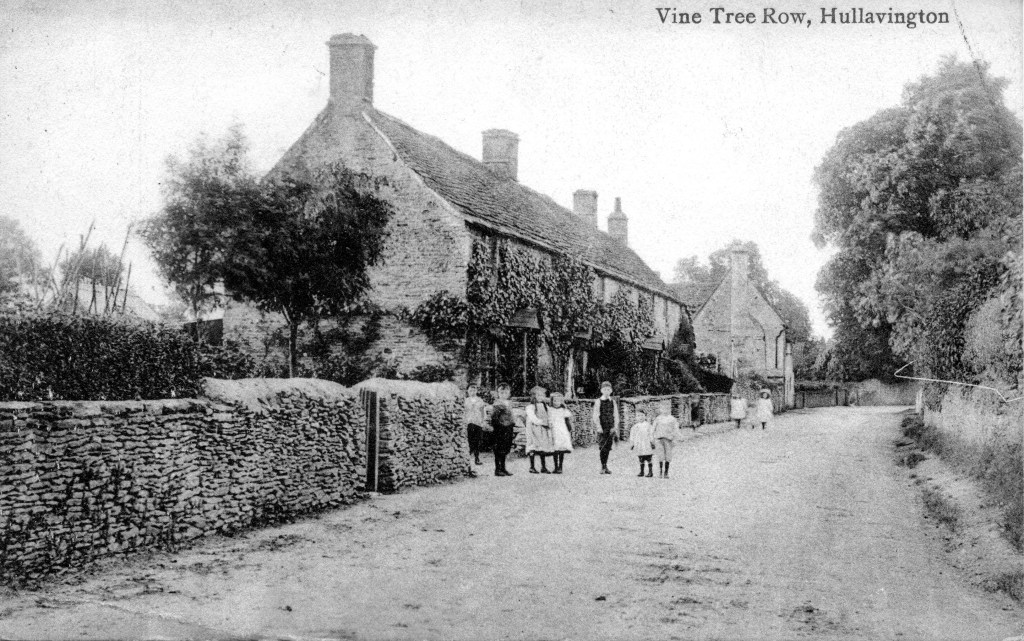
A settlement of 35 households at Hunlavintone was recorded in the Domesday Book of 1086, and at that time the land was held by Ralf de Mortimer. The place-name means ‘the town of Hunlaf’s people’. The spelling Hunlavyngton is recorded in 1418.
Hullavington church and manor belonged to the abbey of Saint-Victor-en-Caux (Saint-Victor-l’Abbaye, Seine-Maritime) in the early Middle Ages. The establishment also had Clatford manor, some 18 miles (29 km) to the southeast, and was known as Clatford Priory or Hullavington Priory. In 1443 its land was given to Eton College, who retained it until 1958.
The monastic house was presumably northwest of the church; Court House was built on that site in the 16th century, with alterations and extension in the 17th and later centuries.
Bradfield (north of Hullavington village) and Surrendell (in the west of the modern parish) were recorded in the Domesday Book and became medieval hamlets, then declined to single farmsteads. Bradfield had 21 poll-tax payers in 1377 but by the later 15th century there were no buildings beyond the manor house and its farm.Bradfield Manor Farmhouse, now Grade I listed, is described by Pevsner as a “rare survival of a C15 hall”.
Surrendell had a church in 1249, and 37 poll-tax payers in 1377. A manor house was built in the 16th century and Surrendell farmhouse was begun c. 1620-40.The church was in ruins in the late 17th century and the manor house was demolished c. 1871. A pillow mound rabbit warren, some 36 metres in length, survives near Surrendell Farm.
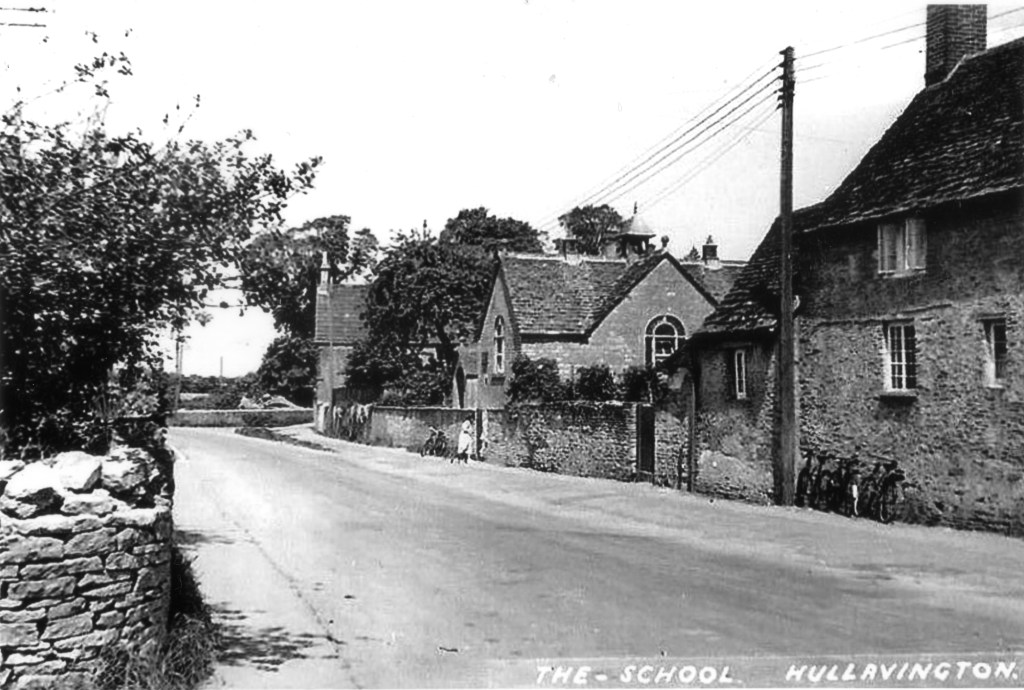
Schooling began in a small way in the village in 1690. Two small schools, which became National Schools, were built in 1832 and 1833; the larger of them, on the east side of The Street, was enlarged in 1873 and became the sole school in 1879. A new school was built on the northern edge of the village in 1970. In 1903 the Great Western Railway opened the South Wales Main Line which passes to the north of Hullavington village, and had a station on the road towards Norton. The station closed to passengers in 1961 and to goods traffic in 1965; the line remains in use but there are no longer any local stations on this stretch between Swindon and Bristol Parkway.
The parish population at the beginning of the nineteenth century was 395 (1801 census), rising to 823 in 1901 and was 1,223 in 2011.
 Hullavington Village